April 3, 2026
In an era dominated by digital devices, encouraging children to spend time outdoors has become increasingly challenging. Thoughtful recreation court design plays a critical role in reversing this trend by creating spaces that naturally draw kids outside to play, explore, and stay active. When courts are designed with engagement, safety, and adaptability in mind, they become more than just play areas—they become community hubs that support healthier lifestyles. By focusing on creativity, functionality, and long-term usability, recreation court design can help children disconnect from screens and reconnect with physical activity, social interaction, and the outdoors.
Create Engaging and Flexible Court Layouts
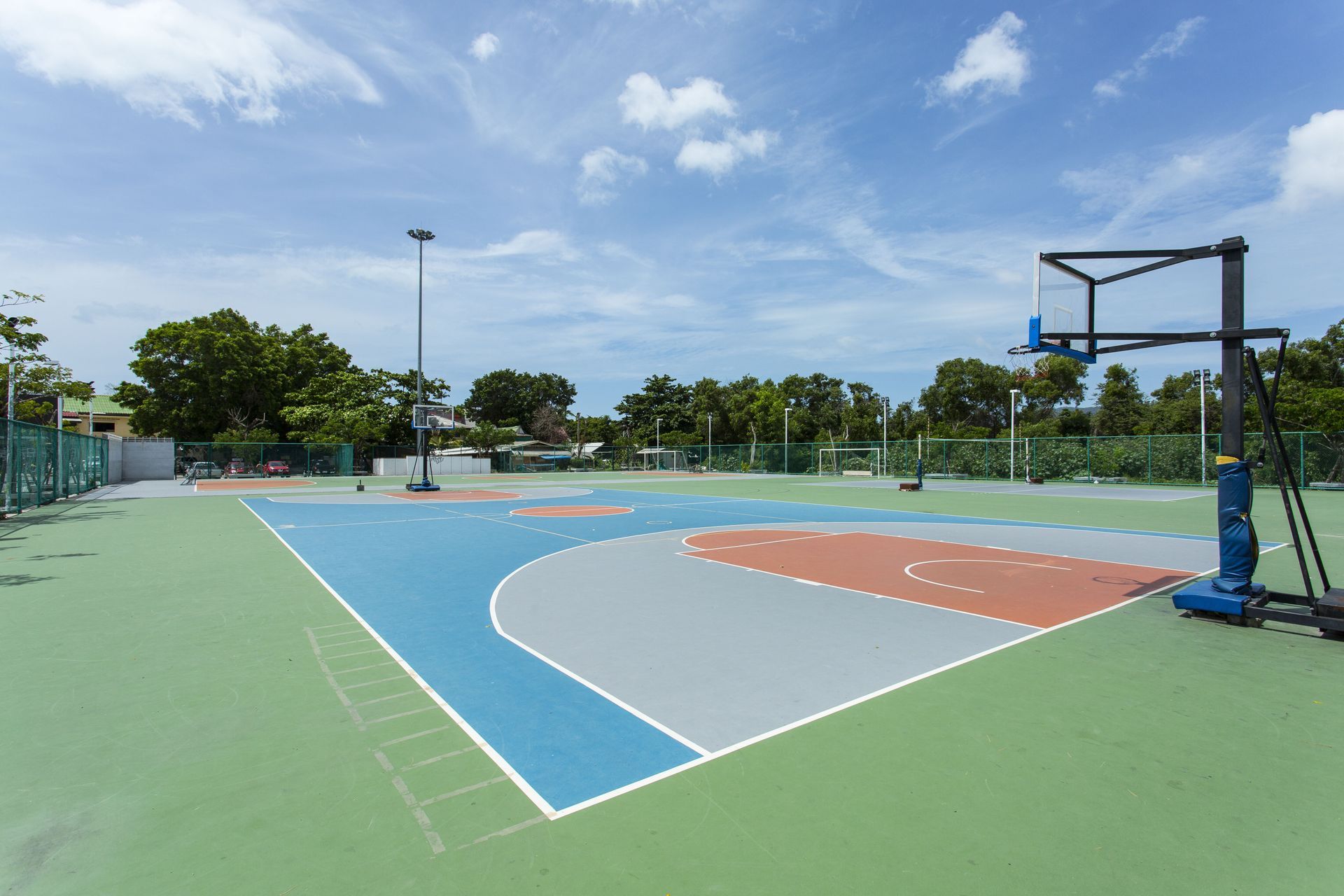
Effective recreation court design begins with layouts that are both engaging and adaptable. Children are more likely to use outdoor spaces when they offer variety and a sense of novelty. Modular layouts allow courts to transform easily from one activity to another, such as converting a basketball court into a soccer or volleyball area. This flexibility keeps the space fresh and appealing, encouraging repeat use.
Incorporating natural elements into these layouts further enhances their appeal. Features like greenery, shaded seating areas, and natural textures make courts feel inviting rather than sterile. These elements not only improve aesthetics but also create a more comfortable environment where children want to spend time. Multi-sport integration is another essential component. When a single space supports multiple activities, it accommodates a wider range of interests and age groups. This reduces downtime and ensures that every child finds something enjoyable to do. Zoning areas for different age groups also improves usability, allowing younger children to play safely while older kids engage in more challenging activities.
Incorporate Durable and Attractive Materials
Material selection plays a major role in the success of recreation court design. Durable, high-quality materials ensure that courts can withstand heavy use while maintaining safety and visual appeal. Shock-absorbent surfaces, such as rubberized coatings, reduce the risk of injury and provide a comfortable playing experience. Weather-resistant materials are equally important, especially in climates with seasonal changes. Courts that can handle rain, heat, and cold without deteriorating remain usable year-round, increasing their value to the community. This durability also reduces maintenance costs and extends the lifespan of the facility.
Sustainability is another key consideration. Eco-friendly materials like recycled rubber and responsibly sourced wood support environmental responsibility while setting a positive example for younger generations. These choices align with broader community goals of reducing environmental impact. Color also plays a powerful role in recreation court design. Bright, vibrant colors make courts more visually appealing and can influence mood and behavior. Energetic colors encourage movement and excitement, while thoughtful color placement can help define different activity zones within the space. By combining durability, sustainability, and visual appeal, recreation court design creates environments that are both functional and inviting.
Integrate Innovative Features That Inspire Play
To truly capture children’s attention, recreation court design must go beyond basic functionality and include features that inspire active play. Interactive equipment such as climbing structures, balance elements, and obstacle courses adds excitement and encourages physical challenges. Obstacle courses, in particular, provide a dynamic experience that builds strength, coordination, and problem-solving skills. These features appeal to a wide range of ages and can be used individually or in group settings, promoting both independence and teamwork.
Incorporating non-screen-based technology can also enhance engagement. Elements like motion-activated games or augmented reality features encourage movement while tapping into children’s interest in technology. This approach bridges the gap between digital entertainment and physical activity.
Themed courts are another effective strategy. Designs inspired by concepts like space exploration, jungles, or adventure landscapes spark imagination and make outdoor play more immersive. When children feel like they are part of a story, they are more likely to stay engaged for longer periods. Event-friendly designs further elevate recreation court design by allowing spaces to host tournaments, community gatherings, and family activities. These events create excitement and encourage consistent use, turning courts into vibrant community destinations.
Encourage Community-Driven Design Decisions
Successful recreation court design reflects the needs and preferences of the community it serves. Involving parents, educators, and local organizations in the planning process ensures that the final design is both practical and meaningful. Parents and guardians provide valuable insights into safety concerns and children’s preferences, helping designers create spaces that families trust and enjoy. Collaborating with schools and educators can align recreation areas with physical education goals, making them extensions of learning environments.
Gathering feedback through surveys and polls allows communities to voice their opinions and influence design decisions. This approach ensures that recreation court design remains relevant and evolves alongside changing interests. Engaging local artists adds another layer of value. Murals, sculptures, and creative installations bring personality and cultural identity to the space, making it unique and memorable. These artistic elements also foster a sense of pride and ownership within the community.
Ensure Safety and Accessibility for All Users
Safety and accessibility are foundational elements of effective recreation court design. Without them, even the most visually appealing courts will fail to serve their purpose. Adhering to established safety standards ensures that all equipment and surfaces minimize the risk of injury. Inclusive design is equally important. Recreation courts should be accessible to children of all abilities, incorporating features such as ramps, adaptive equipment, and sensory-friendly areas. This approach ensures that every child can participate and enjoy the space.
Lighting plays a crucial role in extending usability and improving safety. Well-lit courts allow for evening play and enhance visibility, making spaces safer for families. Energy-efficient lighting solutions also support sustainability goals. Security measures, including surveillance and regular monitoring, provide peace of mind for parents and guardians. When families feel confident in the safety of a space, they are more likely to encourage their children to use it regularly.
Maintain Long-Term Performance and Adaptability
Long-term success in recreation court design depends on consistent maintenance and the ability to adapt to changing needs. Regular maintenance schedules help identify and address issues early, preventing costly repairs and ensuring that courts remain safe and functional. Adaptability is especially important as trends in recreation continue to evolve. Flexible designs allow courts to be updated with new features or repurposed for different activities without requiring complete overhauls. This approach maximizes the return on investment and keeps spaces relevant.
According to the Health & Fitness Association, 82 million Americans are actively investing in fitness-related activities, underscoring the growing demand for recreational spaces that support active lifestyles. Recreation court design must account for this demand by remaining versatile and forward-thinking. Cost-effective upkeep strategies, including durable materials and community involvement, further support sustainability. Public-private partnerships can also play a role in funding and maintaining these spaces, bringing additional resources and innovation into the design process.
Recreation court design has the power to transform how children interact with their environment by making outdoor play more appealing, accessible, and engaging. By creating flexible layouts, incorporating durable materials, integrating innovative features, involving the community, prioritizing safety, and planning for long-term use, these spaces can successfully draw kids away from screens and into active, healthy lifestyles. When designed thoughtfully, recreation courts become more than play areas—they become essential parts of a thriving community. To bring these impactful spaces to life, partner with Xpand, Inc and start designing environments that inspire kids to get outside and stay active.