April 9, 2026
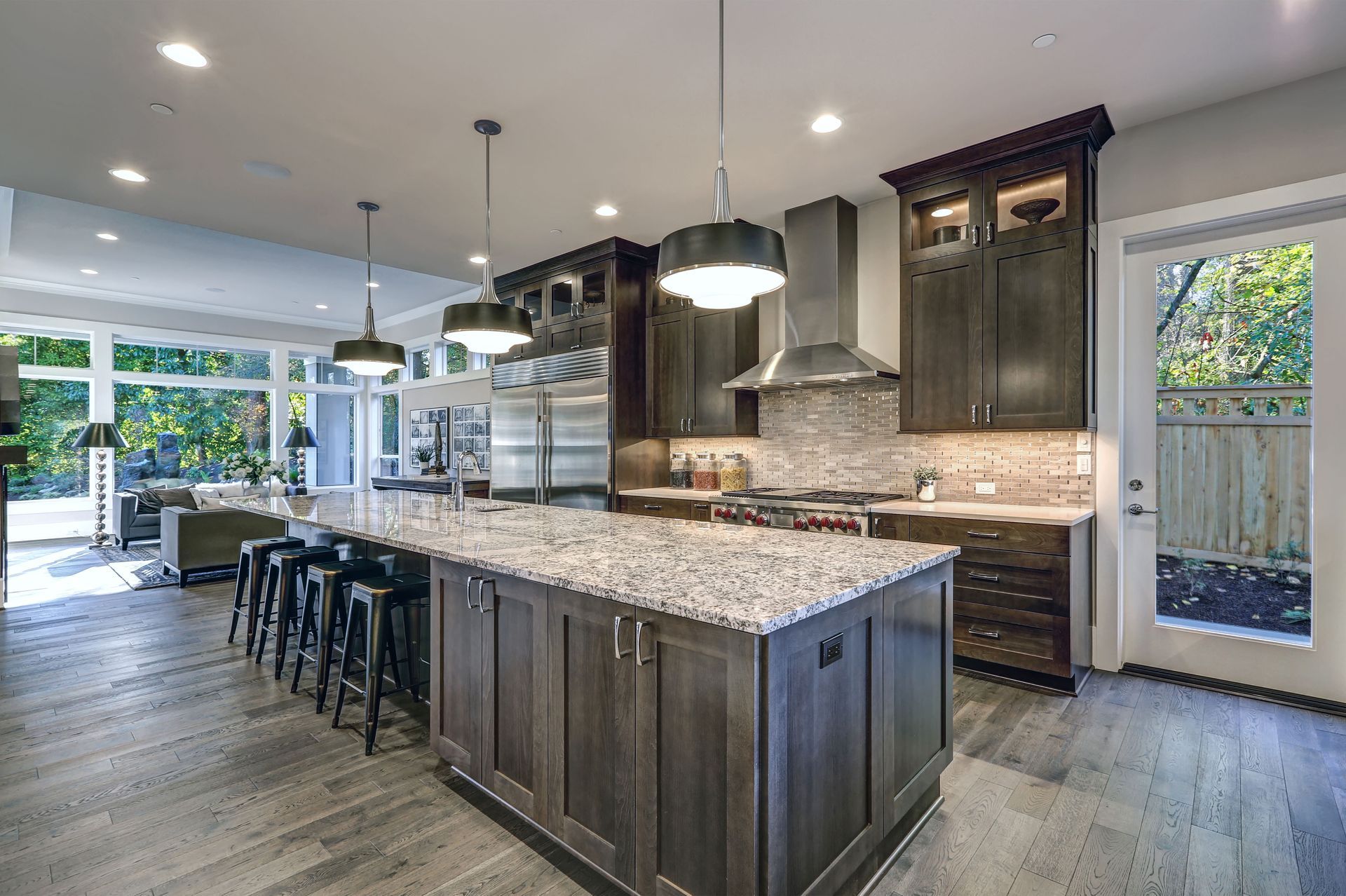
Kitchen renovation is more than just updating a room; it is a transformative project that enhances the functionality, beauty, and value of a home. As the heart of the household, the kitchen is where families gather, meals are prepared, and memories are made. Planning a successful kitchen renovation requires careful thought, research, and execution to ensure that the space meets all design and practical needs. A new kitchen can significantly increase a home's resale value, making it a strategic investment for homeowners. Notably, 41% of U.S. homeowners, according to Gitnux, plan to remodel their kitchens within the next year, underscoring the growing trend towards revitalizing this critical space.
Setting a Realistic Budget
Understanding Cost Factors
Before starting a new kitchen renovation, understanding the various cost factors involved is crucial. Materials such as cabinetry, countertops, and flooring make up a significant portion of the budget. Labor costs, including fees for contractors and skilled tradespersons, can vary depending on the project's complexity and location. Additionally, homeowners should account for the cost of new appliances and unforeseen expenses that could arise. Planning for these factors ensures a more accurate budget estimation and helps avoid financial surprises.
Setting a realistic budget involves analyzing the current kitchen's deficiencies and establishing priorities. While high-end materials and designer finishes are desirable, they may not fit within every budget. Homeowners should make informed decisions by aligning their renovation goals with available financial resources. This could involve choosing mid-range materials with high-end aesthetics or opting for energy-efficient appliances that also offer cost savings in the long run.
Allocating funds for contingencies is a smart move that protects against unexpected issues. Home renovation projects frequently encounter unforeseen challenges, such as structural repairs or outdated wiring, which can escalate costs. This cushion within the budget allows homeowners to address surprises without compromising the renovation's quality or scope. A well-planned budget mitigates financial risk and contributes to a smoother renovation process.
Designing for Functionality and Aesthetics
Assessing Current Kitchen Layout
Evaluating the existing kitchen layout is an essential step in designing a space that is both functional and visually appealing. Homeowners should assess what currently works well in their kitchens but also identify areas for improvement. Considerations should include workflow efficiency, storage capacity, and ease of movement. Analyzing these factors informs decisions on layout adjustments that enhance functionality. Furthermore, consulting with a kitchen designer can provide professional insights into optimizing space utilization.
A well-designed kitchen isn't just about appearance; it's about creating an efficient workflow that facilitates cooking and socializing. The kitchen work triangle – connecting the stove, sink, and refrigerator – remains a timeless principle for maximizing efficiency. By minimizing the distance between these critical areas, homeowners can reduce time spent on preparation and cooking. Zoning areas for specific tasks, such as food prep, cooking, and cleaning, also supports streamlined functionality.
Personalizing the kitchen with unique elements adds character and individuality to the space. Whether through bold cabinet colors, eclectic backsplashes, or decorative accents, injecting personality elevates a kitchen's aesthetic appeal. It's crucial to balance personal tastes with modern design trends, ensuring the renovation retains its appeal over time. For example, integrating open shelving or contemporary lighting fixtures can provide modern flair while maintaining functionality. Incorporating personality, without sacrificing design essentials, results in a kitchen that's both distinctive and practical.
Selecting Materials and Appliances
Choosing Appropriate Countertops
The choice of countertops is a critical decision that affects both the kitchen's appearance and practical use. Popular materials like granite, quartz, and butcher block each offer distinct pros and cons. Granite is revered for its durability and natural beauty, while quartz provides a non-porous, low-maintenance surface. Butcher block countertops introduce warmth and can be ideal for dedicated prep areas. Comparing these materials helps homeowners align their choices with lifestyle needs and budget constraints.
When selecting cabinets, homeowners should consider style, material, and budget to make informed decisions. Cabinet doors define a kitchen's visual character and should complement the chosen theme. Choices range from sleek, modern designs to classic, intricate woodwork, allowing for personalization within the space. Besides appearance, the material quality impacts the cabinets' longevity and functionality. High-quality finishes, like soft-close mechanisms, enhance user experience and are worth considering even on a budget.
Appliances are another significant feature where form and function converge in a kitchen renovation. As technology advances, appliances that offer energy efficiency and space-saving designs are increasingly popular. Selecting the right appliances involves understanding specific household needs, such as capacity, features, and energy consumption. Modern kitchens often incorporate smart appliances, contributing to a space that is both tech-savvy and environmentally friendly.
Hiring and Working with Contractors
Finding Qualified Professionals
Hiring skilled professionals is essential to achieve a high-quality kitchen renovation. Homeowners can search for reputable contractors by seeking referrals from friends or family and reviewing online testimonials. When selecting a contractor, it's important to verify credentials, insurance coverage, and any relevant licenses. Additionally, interviewing candidates provides insight into their communication skills and willingness to address concerns. Choosing the right team impacts the renovation's success and the homeowner’s overall experience.
A comprehensive contract ensures that all parties have clear expectations, minimizing the potential for disputes. Contracts should include detailed descriptions of the work to be completed, materials to be used, and agreed-upon timelines. Payment terms and warranties should also be clearly outlined. It's crucial to read and understand every clause before signing to protect against misunderstandings. Consulting a legal professional for an additional review is advisable when large sums are involved.
Open and frequent communication with the contractor paves the way for a problem-free renovation. Establishing regular meetings, whether virtual or in-person, keeps everyone aligned and informed. Updates on project progress, adjustments, and potential delays should be communicated promptly. A responsive contractor who seeks input and offers solutions fosters a collaborative working environment. Such partnerships often lead to higher satisfaction and ensure that the final result meets the homeowner's vision.
Managing Construction Phase
Preparing for Demolition
Demolition is a critical part of the renovation process that requires careful preparation to ensure safety and efficiency. Homeowners should declutter the kitchen, removing items that could be damaged or create hazards. It's essential to establish a temporary kitchen space elsewhere in the home to maintain daily routines. Arranging for team access, waste disposal, and necessary permits is essential for a smooth start. With the proper groundwork, potential delays and obstacles can be minimized during this phase.
Disruptions during renovation can impact daily life, but strategic planning can alleviate inconvenience. Creating a temporary cooking area and adjusting meal plans can reduce the stress of losing a functional new kitchen. Communicating well with family members about expected developments helps everyone adapt to changes smoothly. Additionally, maintaining a flexible mindset allows for creative solutions to unforeseen disruptions.
Keeping track of construction progress is essential to ensure that the project stays on course. Homeowners can implement monitoring tools, like scheduling apps or progress photos, to maintain accountability. Regular site visits and communication with the contractor provide clarity on any emerging issues. It's important to stay informed of critical milestones and potential adjustments to the timeline. This proactive approach fosters a trust-based relationship with the construction team, resulting in a well-managed project.
A successful and new kitchen renovation hinges on methodical planning, informed decision-making, and active participation throughout the process. Balancing budget constraints with aesthetic and functional aspirations helps homeowners achieve their desired outcomes. Each phase of the renovation, from planning the layout to adding the final decorative flourishes, requires attention to detail and careful coordination. With these guidelines, homeowners can navigate the complexities of kitchen renovations, resulting in a space that is both beautiful and practical. Engaging in this journey ultimately enhances the home's value and creates a welcoming environment for family and friends alike.
Transform your kitchen into a stunning, functional centerpiece. Partner with Xpand, Inc today to bring your renovation vision to life.