November 16, 2026
When your current home no longer meets your needs, deciding whether to expand your living space or move to a new property can be challenging. A growing family, changing work arrangements, or the need for additional functional space may prompt you to consider your options. While relocating offers a fresh start, expanding your existing home can provide many of the same benefits without leaving behind a familiar neighborhood. Understanding the financial, practical, and personal considerations involved can help you determine which approach makes the most sense. For homeowners who enjoy their current location, home additions offer an appealing way to create a more comfortable and functional living environment.
Evaluating the Financial Considerations
Comparing Construction and Moving Costs
One of the first factors to consider is the overall cost of each option. Building an additional room requires an investment in materials, labor, permits, and potentially plumbing or electrical upgrades. Although unexpected expenses can arise, homeowners can establish a budget and prioritize the features that matter most. Requesting detailed estimates before construction begins can also help clarify the expected investment and identify areas where adjustments may be necessary. Comparing these costs helps homeowners determine whether home additions fit their financial plans.
Moving involves several expenses beyond the purchase price of another property. Real estate commissions, closing costs, inspections, and moving services can add significantly to the total. Buyers may also face higher mortgage payments or interest rates. For homeowners with an affordable existing mortgage, home additions may provide a more manageable alternative to purchasing another property.
Understanding Potential Property Value Changes
A thoughtfully planned room addition can increase a property's appeal and potentially improve its resale value. Additional bedrooms, bathrooms, and functional living areas are often attractive features for prospective buyers. However, the return on investment depends on construction quality, neighborhood property values, and the type of space being added.
Homeowners should consider how an expansion will affect the property's overall functionality. An addition that complements the existing layout and meets common buyer expectations may provide greater long-term appeal. It is also important to avoid overbuilding beyond what is typical for the surrounding neighborhood.
Considering Lifestyle and Family Needs
Accommodating a Growing Household
Changes in family size and household dynamics often create the need for additional living space. A growing family may need another bedroom, a larger gathering area, or a separate space where children can study and play. Rather than searching for a larger property, homeowners may be able to address these needs by expanding their current layout.
Home additions can also accommodate multigenerational living arrangements. An additional bedroom, private bathroom, or separate living area can give family members more independence while keeping everyone close. Planning around current and anticipated household needs helps create a space that remains useful as circumstances change.
Maintaining Access to Work, Schools, and Amenities
Location is another important consideration when deciding whether to renovate or relocate. Homeowners may already live near their workplaces, schools, healthcare providers, shopping centers, and recreational facilities. Moving could mean longer commutes, unfamiliar surroundings, and adjustments to established routines.
Remaining in a convenient location while improving the home can offer a practical solution. For individuals who enjoy their neighborhood and have access to the amenities they need, expanding their existing property may provide a better balance between space and convenience. This can be especially valuable when comparable homes with more square footage are difficult to find nearby.
Exploring Space and Design Possibilities
Assessing the Property's Expansion Potential
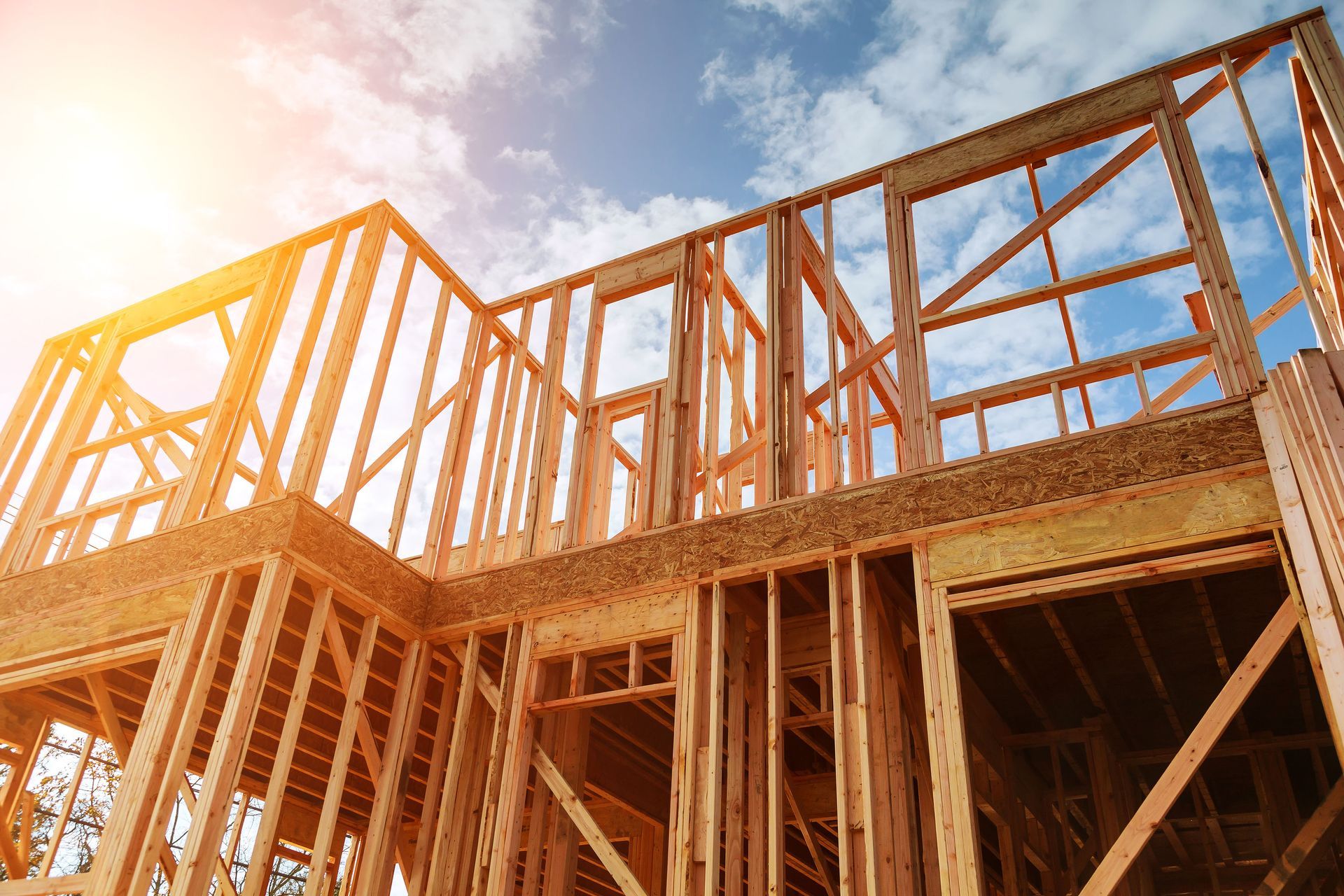
Before committing to an addition, homeowners should determine whether their property has enough room to accommodate the planned construction. Available yard space, existing structures, foundation conditions, and property boundaries can all influence design possibilities. Some homes may be suitable for a ground-level expansion, while others may benefit from building upward or converting an existing area.
Local zoning requirements, setback restrictions, and building codes must also be considered. Working with qualified construction professionals helps identify potential limitations before significant planning or expenses begin. An early evaluation can also help homeowners understand which design options are realistic for their property.
Creating a Design That Complements the Home
A successful addition should look and function like a natural extension of the existing property. Matching architectural details, exterior materials, rooflines, and interior finishes can help maintain a consistent appearance. Thoughtful planning also considers how the new space will connect with existing rooms and hallways.
Homeowners have considerable flexibility when planning a customized layout. They might create a spacious primary suite, expand a kitchen, add a family room, or establish a dedicated home office. These possibilities make home additions particularly appealing because the finished space can reflect specific household priorities rather than requiring compromises with an unfamiliar floor plan. Proper attention to lighting, storage, and room placement can further improve how the new area functions. With the right design, home additions can make an existing property better suited to everyday activities.
Weighing Personal and Emotional Factors
Maintaining Familiar Surroundings
For many homeowners, a property represents more than a financial investment. It may hold years of family memories, personal milestones, and meaningful experiences. Moving can mean leaving behind a place that has become an important part of everyday life.
Expanding an existing home provides an opportunity to preserve those connections while adapting the property to changing needs. Homeowners can maintain familiar surroundings, keep established routines, and enjoy improvements designed around their preferences. Remaining in the same community can also help preserve relationships with neighbors and local organizations.
Comparing the Disruption of Moving and Building
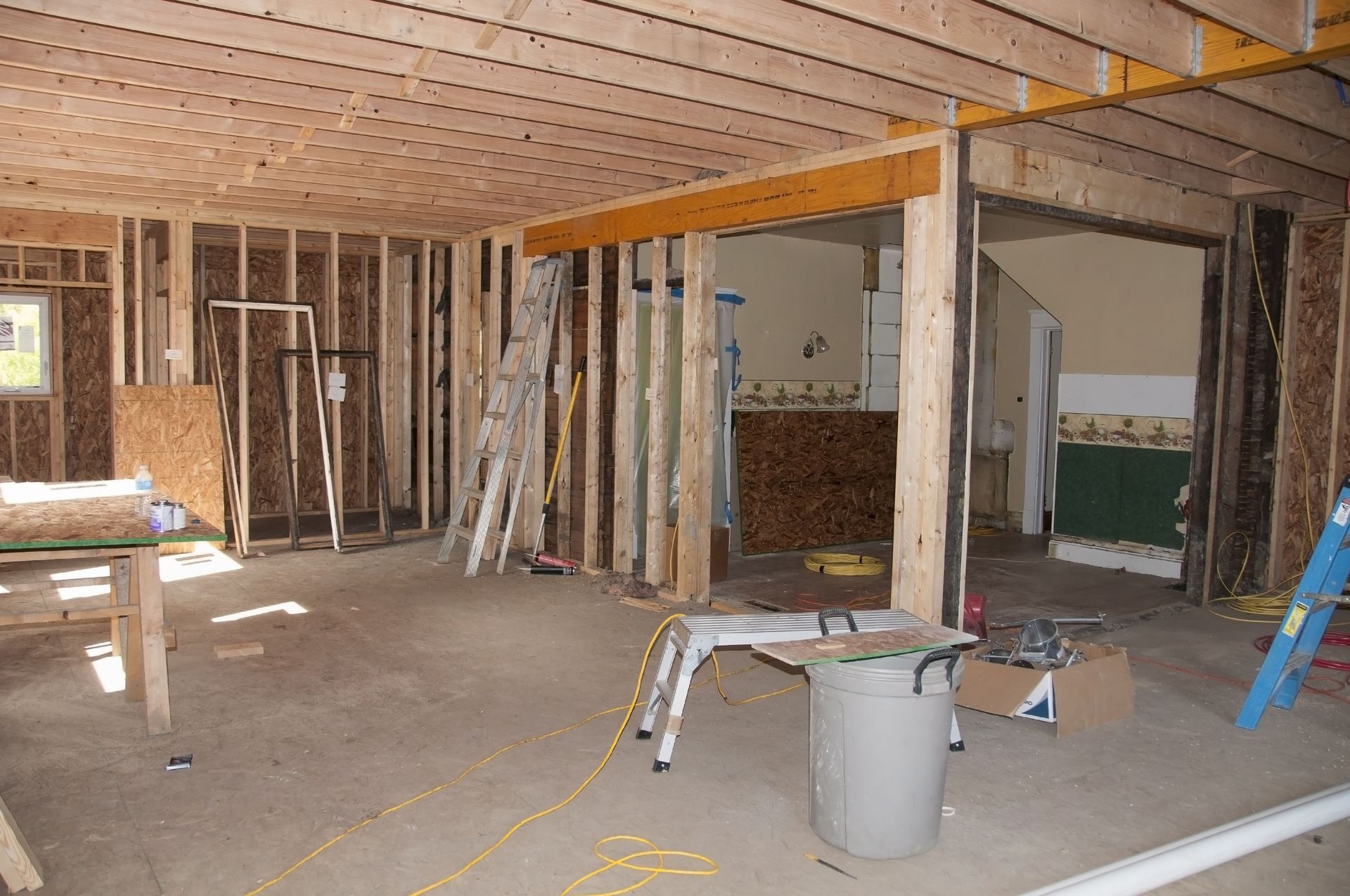
Both options involve temporary inconveniences, but the nature of those disruptions differs. Moving requires packing, transportation, paperwork, and adjusting to a new property and community. Construction projects may involve noise, dust, contractor visits, and temporary changes to how certain areas of the home are used.
However, with proper planning and communication, homeowners can often remain in their properties throughout much of the construction process. Understanding the expected schedule can help families prepare for temporary inconveniences while keeping their long-term goals in focus. Discussing access, work hours, and construction phases with the contractor can also make the experience more manageable.
Understanding Market Conditions and Project Timing
Recognizing Demand for Residential Expansions
Housing market conditions can influence whether expanding or purchasing another property is the better choice. Higher home prices, limited inventory, and changing mortgage rates may make relocating less attractive for homeowners who are otherwise satisfied with their current properties.
There is also continued demand for ways to make existing homes more functional. According to the National Association of Home Builders, 42% of professional remodelers rated room additions as common to very common in their survey published in 2026. This finding highlights the role residential expansions play in meeting changing household needs.
Choosing an Appropriate Construction Timeline
Project timing can influence scheduling, material availability, and construction logistics. Weather conditions, contractor availability, and the complexity of the planned work should all factor into the timeline. Homeowners should also consider upcoming family events and work commitments when determining an appropriate starting date.
Allowing enough time for design decisions, permits, and material selections can help prevent avoidable delays. Establishing a realistic schedule with the construction team also makes it easier to prepare for each stage of the project.
Creating More Room for the Future
Deciding whether to expand or relocate requires careful consideration of financial commitments, family needs, property limitations, and long-term goals. While moving may be appropriate in certain situations, improving an existing property can offer meaningful advantages for homeowners who want more space without giving up their current location. With thoughtful planning and professional guidance, home additions can create a more comfortable, functional environment that supports changing needs.
If you are considering expanding your living space, Xpand, Inc can help you explore the possibilities for your property. Working with an experienced construction team can help you evaluate design options, understand project requirements, and plan an expansion that complements your home. Take the next step toward creating a space that better supports your household today and in the years ahead.