February 18, 2026
Backyards have evolved far beyond simple patios and playsets. Today, more families are transforming their outdoor spaces into active, engaging environments that promote health, connection, and year-round recreation. Instead of driving to a gym or public park, homeowners are investing in private courts that bring sports and fitness right outside their door. These customized spaces create opportunities for friendly competition, skill development, and daily exercise without leaving home.
An outdoor court can serve multiple purposes. It can be a basketball practice space, a pickleball court, a training zone for young athletes, or a general fitness area for the entire family. With thoughtful planning and creative athletic court design, a backyard can become a dynamic hub for movement and fun. According to CBA Sports, backyard residential basketball courts can be built in as little as a 26-foot by 26-foot space, and go all the way up to a full-size 60-foot by 110-foot. That flexibility makes courts accessible to a wide range of properties. In this article, we'll explore athletic court design ideas that can turn your backyard into a true family fitness zone.
Choosing the Right Court Type for Your Family
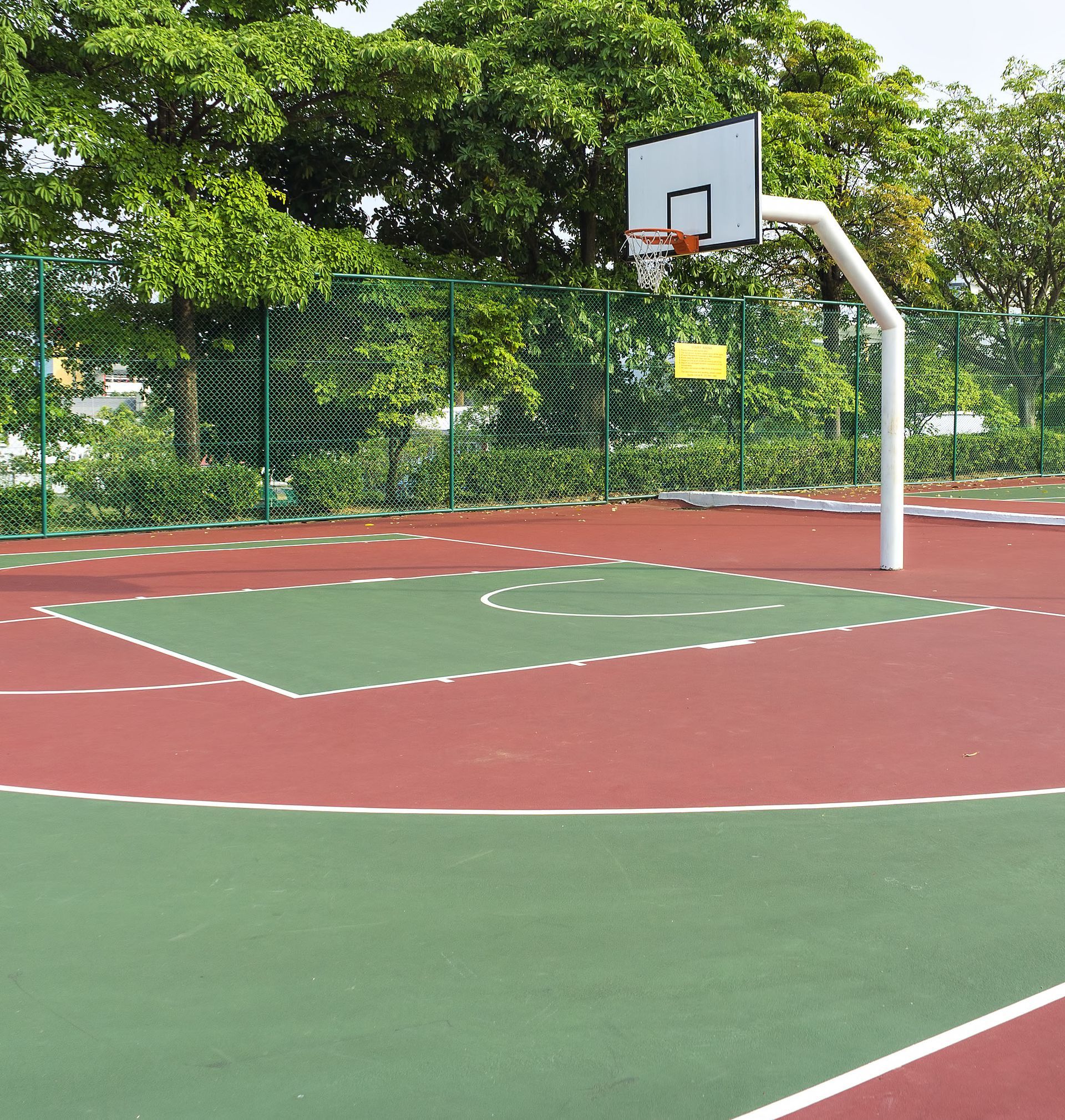
The first step in transforming your backyard is determining which activities your family enjoys most. Basketball is a popular choice because it accommodates players of different ages and skill levels. A half-court layout is often sufficient for recreational play and can fit comfortably in many residential lots.
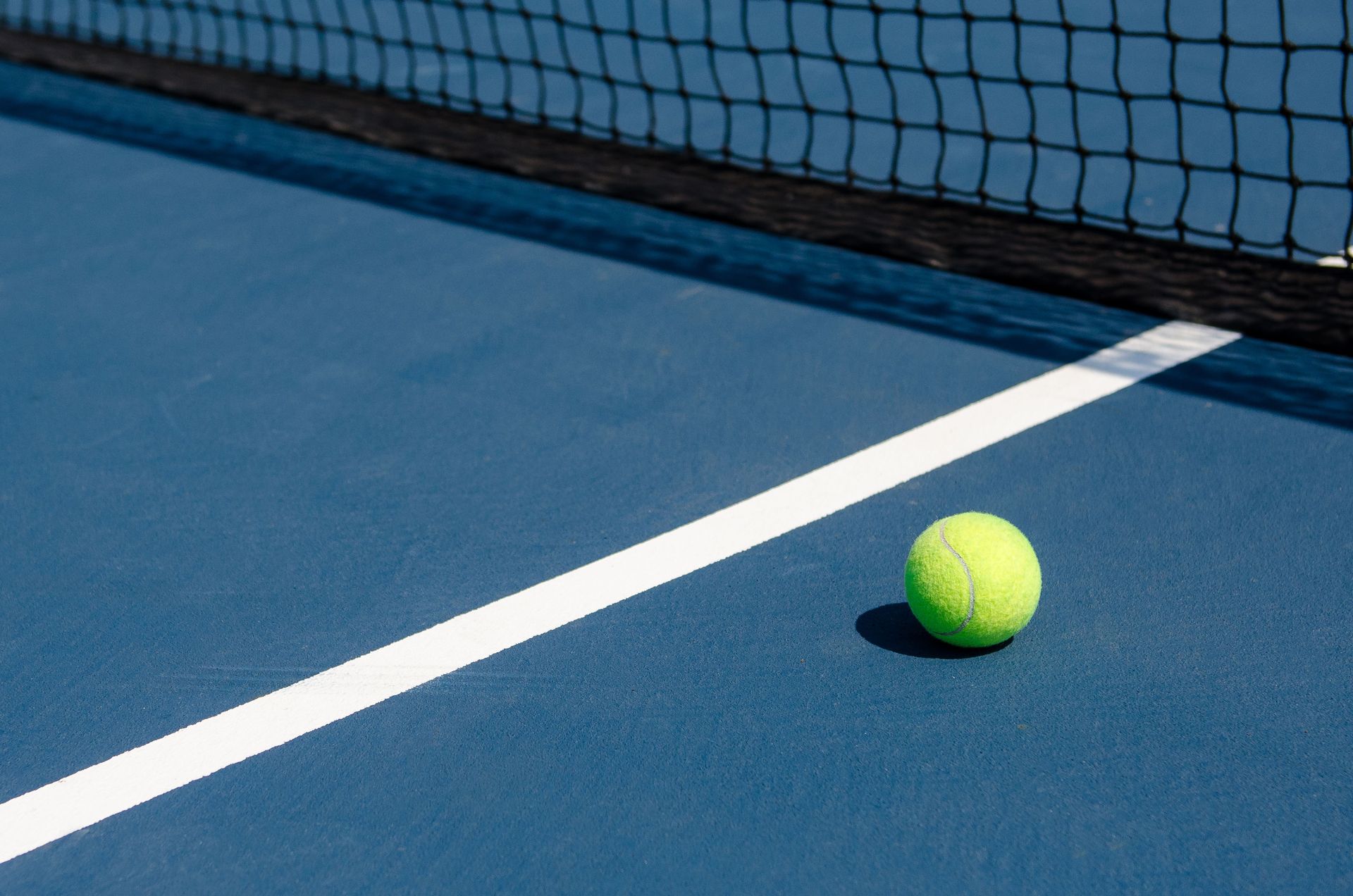
Pickleball has also surged in popularity due to its easy learning curve and social appeal. A multi-sport surface that includes striping for both basketball and pickleball maximizes versatility. Families with younger children may prioritize space for roller skating, scooter riding, or general fitness drills.
Thoughtful athletic court design considers not only the sport itself but also how often it will be used and by whom. Planning for both current interests and future needs helps create a long-lasting backyard feature.
Maximizing Small Backyard Spaces
Limited square footage does not mean a court is out of reach. As noted earlier, backyard residential basketball courts can be constructed in as little as a 26-by-26-foot area. This size works well for shooting practice and one-on-one games.
For smaller yards, incorporating multi-functional layouts is key. A compact half-court can double as an open exercise area for yoga, strength training, or agility drills. Using adjustable hoops allows the court to adapt to players of different ages.
Strategic placement also matters. Positioning the court along a fence line or behind the home can preserve open lawn areas while still creating a dedicated play space. With smart athletic court design, even modest backyards can support active lifestyles.
Incorporating Multi-Sport Features
One of the most effective ways to enhance a backyard court is by incorporating multi-sport elements. A surface that accommodates basketball, pickleball, and volleyball creates greater value for families with varied interests.
Custom line striping allows multiple games to coexist on the same surface. Removable nets and adjustable equipment increase flexibility. This approach prevents the space from becoming underused if one sport falls out of favor. When planning athletic court design, it's important to think about transitions between activities. Adequate clearance zones and safe boundaries allow players to move freely without obstruction.
Selecting the Right Surface Material
Surface material plays a critical role in both performance and safety. Asphalt and concrete provide durable foundations, but additional surfacing layers improve comfort and traction. Modular tile systems, for example, offer shock absorption that reduces joint strain.
Cushioned acrylic coatings can also enhance playability while protecting the underlying base. These coatings allow for vibrant color customization, which adds visual appeal to the backyard. Professional athletic court design takes climate into account. In regions with freeze-thaw cycles, proper drainage and base preparation help prevent cracking or surface damage over time.
Adding Lighting for Extended Play
Lighting extends the usability of a backyard court well beyond daylight hours. Installing LED fixtures ensures consistent illumination while minimizing energy consumption. Properly positioned lights reduce glare and shadows, improving both safety and visibility.
For families with busy schedules, evening play sessions may be the most convenient option. Children can complete homework and still enjoy outdoor activity after dinner. Adults can fit in a quick game or workout before winding down for the night. Thoughtful athletic court design integrates lighting seamlessly into the landscape, preserving the aesthetic of the backyard while maximizing functionality.
Enhancing Safety and Comfort
Safety features are essential for any backyard court. Installing perimeter fencing helps keep balls contained and prevents them from rolling into neighboring properties. Padding on poles and goal posts reduces injury risk during active play.
Clear buffer zones around the court provide space for players to slow down safely. Non-slip surfaces and proper drainage further enhance safety, particularly after rain.
Comfort is equally important. Incorporating shaded seating areas or pergolas near the court creates a welcoming environment for spectators and resting players. Hydration stations and nearby storage for equipment improve overall usability.
Blending Courts With Landscape Design
A well-designed court should complement the overall look of the backyard. Color choices, landscaping borders, and surrounding hardscape elements help integrate the court into the property.
Decorative fencing, stone accents, and coordinated paint colors create a polished appearance. Strategic landscaping softens the visual impact of the court while maintaining clear sightlines. Professional athletic court design balances functionality with aesthetics. The goal is to create a space that feels like a natural extension of the home rather than a separate structure.
Supporting Family Fitness Goals
Backyard courts do more than provide recreation; they encourage consistent physical activity. Having a dedicated space for exercise removes common barriers such as travel time and membership fees.
Children gain opportunities to develop coordination, teamwork, and confidence. Adults can incorporate strength training, cardio drills, and skill practice into daily routines. Family tournaments and friendly competitions foster connection and healthy habits. When athletic court design aligns with family fitness goals, the backyard becomes a catalyst for long-term wellness.
Planning for Long-Term Durability
Investing in a backyard court requires careful planning to ensure longevity. Proper site preparation, grading, and drainage form the foundation of a durable installation. Skipping these steps can lead to surface issues and costly repairs.
Routine maintenance also extends the life of the court. Cleaning debris, inspecting for cracks, and addressing minor issues early help preserve performance. Professional athletic court design emphasizes structural integrity from the beginning, reducing maintenance needs and protecting your investment over time.
Customizing With Personal Touches
Personalization transforms a standard court into a meaningful family space. Custom logos, favorite team colors, or personalized line markings add character and pride.
Scoreboards, rebounders, and training aids enhance functionality. For families who entertain frequently, incorporating seating areas and outdoor audio systems creates a lively atmosphere during gatherings. Creative athletic court design ensures that the space reflects your family's personality while meeting practical needs.
A thoughtfully planned backyard court can redefine how your family uses outdoor space. From compact half-courts to expansive multi-sport layouts, options exist for properties of nearly every size.
With the right athletic court design, your backyard becomes more than a recreational area—it becomes a fitness destination that promotes health, connection, and fun. Careful planning around surface materials, lighting, safety, and landscaping ensures long-term enjoyment and durability.
If you're ready to turn your backyard into a family fitness zone, now is the perfect time to explore your options. Contact Xpand, Inc today to begin planning a custom space that fits your home, your goals, and your lifestyle.