June 13, 2026
Discover the joy and benefits of building a personal basketball court at home, whether it's a simple hoop or a full-fledged court. This guide will walk you through the entire planning and execution process to help you turn your dream into reality. A home basketball court not only enhances recreational opportunities but also adds value to your property. Whether you are building a court for occasional use or serious practice, the considerations remain largely the same. Let's delve into the critical steps of planning your ideal basketball court.
1. Assessing Your Space
1.1 Measuring for a Suitable Court
The first step in planning your home basketball court is assessing the available space. According to CBA Sports, backyard residential basketball courts can be built in as little as a 26-foot by 26-foot space, and can go all the way up to a full-size 60-foot by 110-foot space. This flexibility allows homeowners with varying property sizes to consider installation. Carefully measuring your available space ensures that you are not overextending or underutilizing the area. By understanding these dimensions, you can plan effectively around any obstructions or landmarks in your yard.
1.2 Understanding Zoning and HOA Regulations
Before embarking on construction, understanding local zoning ordinances and homeowners association (HOA) regulations is crucial. These bodies may have restrictions on the size and placement of external structures. Violating these regulations can lead to fines or even force you to dismantle your hard work. Consulting with city planners or HOA representatives ensures that you start on the right foot. It's vital to obtain any necessary permits and approvals before moving forward with construction.
1.3 Choosing Between Indoor and Outdoor Options
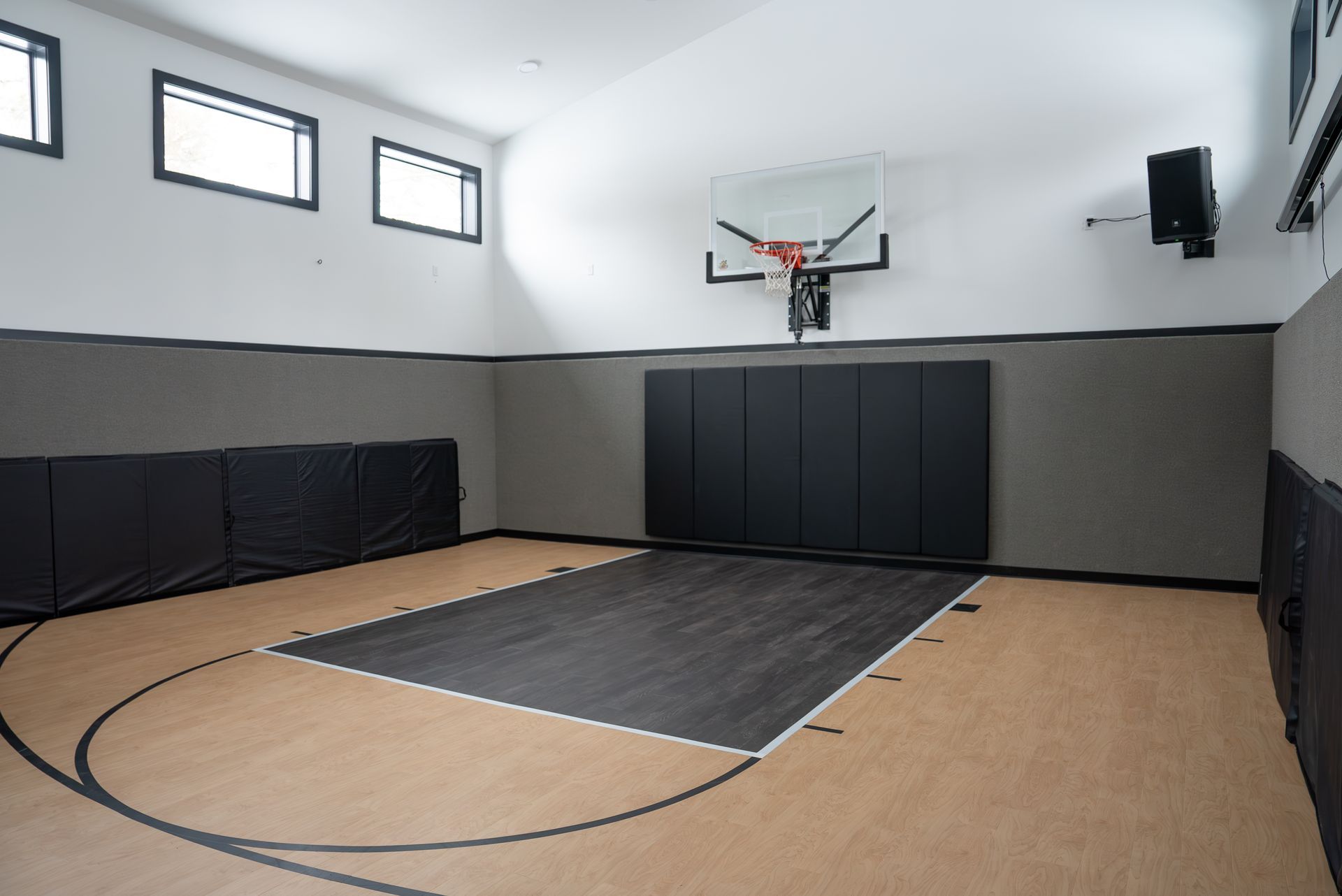
The decision between an indoor or outdoor court significantly impacts cost, usage, and design. Outdoor courts offer the benefit of natural light and can be integrated seamlessly into your landscaping. However, they may be subject to weather damage and seasonal limitations. Indoor courts, while more costly, provide year-round usability and protection from the elements. Weighing these pros and cons will help you decide what best fits your lifestyle and budget.
1.4 Evaluating the Ground and Landscape
Your court's success depends heavily on the ground it sits on. Uneven or sloped terrain may require leveling or infill, adding cost and complexity to your project. In contrast, level ground with sturdy soil significantly eases construction and improves longevity. Consideration should also be given to any existing landscaping elements that might impact your court’s placement. Adjusting your plans to work around these features can maintain the aesthetic flow of your yard.
2. Designing the Court
2.1 Full Court vs. Half Court Layouts
One of the primary design decisions involves choosing between a full court and a half court layout. Full courts allow for complete game play, offering a larger space for practices and matches. However, they require more space and resources to build. Half courts, on the other hand, are ideal for more casual play and are space-efficient. Both designs can fulfill your basketball aspirations, depending on your lifestyle and available area.
2.2 Selecting Court Dimensions for Your Needs
Once you've determined your layout, selecting appropriate dimensions becomes your focus. A standard basketball court is 94 feet by 50 feet, but this can be downscaled to fit personal preferences and spatial constraints. Customizing your court size can also tailor the experience to its intended users, whether it's children, casual players, or skilled athletes. A balance between available space and intended use will guide your dimensional choices. As mentioned, courts can range significantly in size, from 26 feet by 26 feet to a more expansive 60 feet by 110 feet.
2.3 Marking Boundary Lines and Key Areas
The clarity of court markings enhances gameplay and maintains order. Accurate boundary lines for sidelines, baselines, and the three-point arc are foundational to any court setup. Using durable, weather-resistant paint ensures these markings stand up to regular usage and environmental conditions. Additionally, it's vital to mark the free throw lines and key, important areas that are frequently used in gameplay. Consider personalization options to match your court's aesthetic to your home's design.
3. Choosing Surfaces and Materials
3.1 Concrete Pros and Cons
Concrete is a popular choice for basketball surfaces due to its durability and low maintenance needs. A well-poured concrete slab provides a hard, flat surface that stands up to heavy use and varies in thickness based on the soil conditions and climate. However, concrete can become slippery when wet, presenting safety concerns. Additionally, the initial installation can be costly, but long-term benefits often outweigh the initial investment. Despite its heft, concrete remains an economical choice for homeowners prioritizing durability.
3.2 The Benefits of Asphalt Surfaces
Asphalt surfaces offer an affordable alternative to concrete with distinct advantages. Its flexibility helps prevent cracking in colder climates, where freeze-thaw cycles are common. Asphalt is also more forgiving on joints and provides better shock absorption, which may appeal to older players or those concerned about long-term impact injuries. However, it requires more regular maintenance than other materials to address raveling or cracking. Asphalt also tends to soften during extreme heat, potentially affecting performance.
3.3 Exploring Synthetic and Modular Options
Synthetic and modular court surfaces provide modern solutions with several benefits. Known for their versatility, these surfaces allow for easy installation and can be fitted over existing bases. They offer superior traction and reduced risk of injury due to their shock-absorbing properties. Modular tiles come in various colors and designs, offering a customizable aesthetic while remaining low maintenance. These systems, however, might come at a higher initial cost but make up for it in user satisfaction and longevity.
4. Installing Hoops and Equipment
4.1 Selecting the Right Basketball Hoop System
The basketball hoop is the heart of any court and selecting the appropriate system is crucial. Options vary significantly, from simple portable hoops to professionally installed in-ground systems. Consider the adjustability of height, as it caters to both children and adults, making it versatile for various skill levels. Weather resilience, durability, and stability are also key factors, particularly for outdoor installations. A well-chosen hoop can enhance all levels of playing experience and withstand rigorous use.
4.2 Installation Techniques for Durability
Proper installation is vital for maximizing the lifespan and performance of your basketball system. In-ground hoops, while more stable, require a deeper foundation and concrete anchoring, which ensures durability under force. Correct alignment and leveling are crucial to avoid uneven play and maintain structural integrity over time. Ensure all components are secured tightly during installation to avoid wear and hazards. Hiring a professional can often be beneficial in ensuring optimal setup and longevity.
4.3 Backboard Material and Size Considerations
Backboard choices affect ball performance, durability, and cost. Materials range from affordable acrylic to professional-grade tempered glass, with options like polycarbonate offering durability and performance balance. Larger backboards, typically 54 inches and above, provide a better rebound area but require additional space and support. Each material offers distinct rebounds and visual clarity, influencing overall playability. Consider immediate needs and long-term expectations when selecting backboard specifications.
Building a basketball court at home is a rewarding investment that can enhance your property and provide endless hours of enjoyment and exercise. With careful planning, the right materials, and ongoing maintenance, you can create a space that meets your basketball dreams and stands the test of time. A well-designed court will not only serve as a personal athletic arena but also as a focal point for family gatherings and neighborhood events. As you embark on this playground project, consider the long-term benefits it offers. Your home court is more than just a play area; it is a lasting tribute to your passion for the sport. Be sure to reach out to Xpand, Inc today to learn more about our professional basketball court services!